

New Fake AI Artist River Cain Uses Conflict to Market Itself
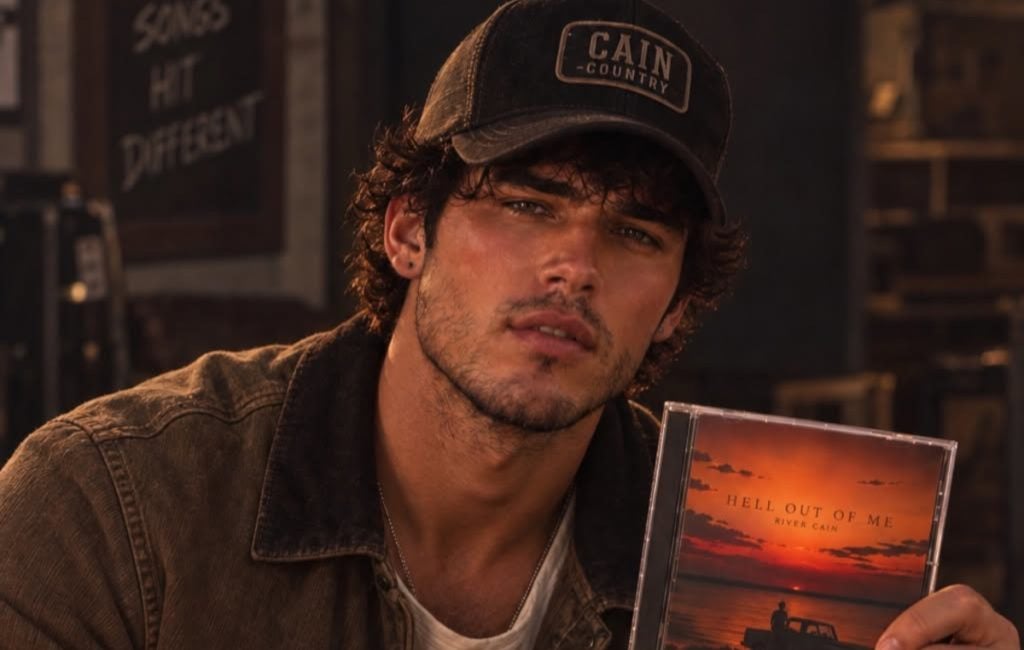
At least at this moment, AI has not completely overtaken the music industry and caused the catastrophic affects we were worried it might at the beginning of 2026. It’s most certainly has been very alarming and disruptive, and the fear is real that ultimately AI will be downright existential for human creators. But the most devastating, overwhelming affects some have predicted have not taken shape … yet.
If anything, much more practical problems have more significantly affected music and musicians in 2026, specifically historically high gas prices, and Facebook’s recent move to limit outbound links.
But the whole AI thing is still out there slowly but surely gobbling up attention on social media, and increasingly cornering market share of music consumption. Not just AI-generated songs, but full-on AI-generated artists are creating established careers in lieu of human creators, with some becoming massively popular. With the music scene already oversaturated, this means AI artists are taking critical attention away from their human counterparts.
On the surface, maybe there’s nothing especially novel about the 100% AI-generated country artist named River Cain. It says right in his bio, “God first. Country music artist. AI persona.” But what makes River Cain so unique is how he’s being marketed.
As has been covered by Saving Country Music recently, people are no longer navigating to social media to check out the songs of artists and perhaps discover something new. It’s conflict that is creating the engagement, and thus, creating a perverse incentive structure for artists to lean into controversy, and behave in manners they otherwise might not simply to garner attention for themselves.
In the case of River Cain, this is an AI artist that is actively creating controversy for itself to leverage social media algorithms, boost engagement, and created viral moments. River Cain doesn’t even exist, let alone play concerts. But to garner attention, he’s regularly portrayed in concerts where conflict or other viral moments erupt, with the vast majority of viewers having no idea the entire scenario is fabricated, and the artist himself doesn’t even exist in the real world.
For example, a video posted on September 2nd shows River Cain getting hit in the face with a cell phone thrown from the audience. Such real life controversies commonly go viral, and create tons of engagement online from shocked music fans. So this fake AI persona is adopting it as a template, and then using it very directly to promote its music.
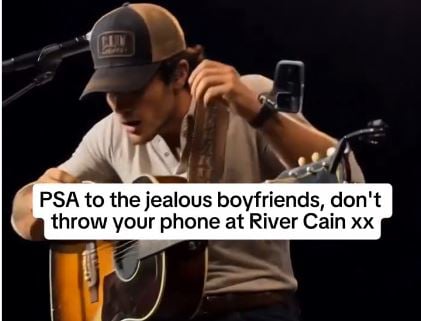
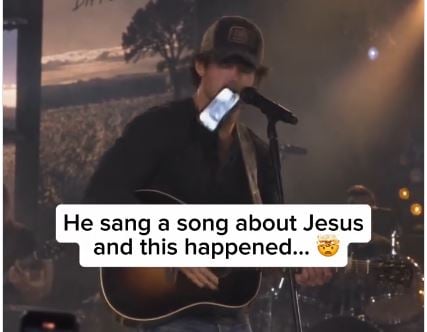
But that’s just the beginning. After the success of the first phone throwing video, a second one was posted on September 18th that went even more viral, specifically because the video claimed the phone was thrown because River Cain sang a song about Jesus. This attempt to leverage religiosity through the fake River Cain personal comes up commonly in the AI character’s timeline.
But somehow, it gets even worse. In one video after another, the AI-generated “country artist” leverages actual human emotion to engage social media users with a completely fictitious performer. There is one video that shows a mother crying about the loss of her son, and River Cain calling upon her from the stage. Then in a later video, it shows another woman with a similar looking sign, just about a husband instead of a son.

There’s even a video of River Cain holding his mom’s hand by her bedside in a hospital, and later buying her a house from all his music earnings. And though some of these videos have received community notes underscoring this is all AI-generated, many of them have not, and the vast majority of the comments clearly affirm that people think all of this is real. People rarely click on the artist profile itself that does divulge it’s AI. They just engage with the viral video.
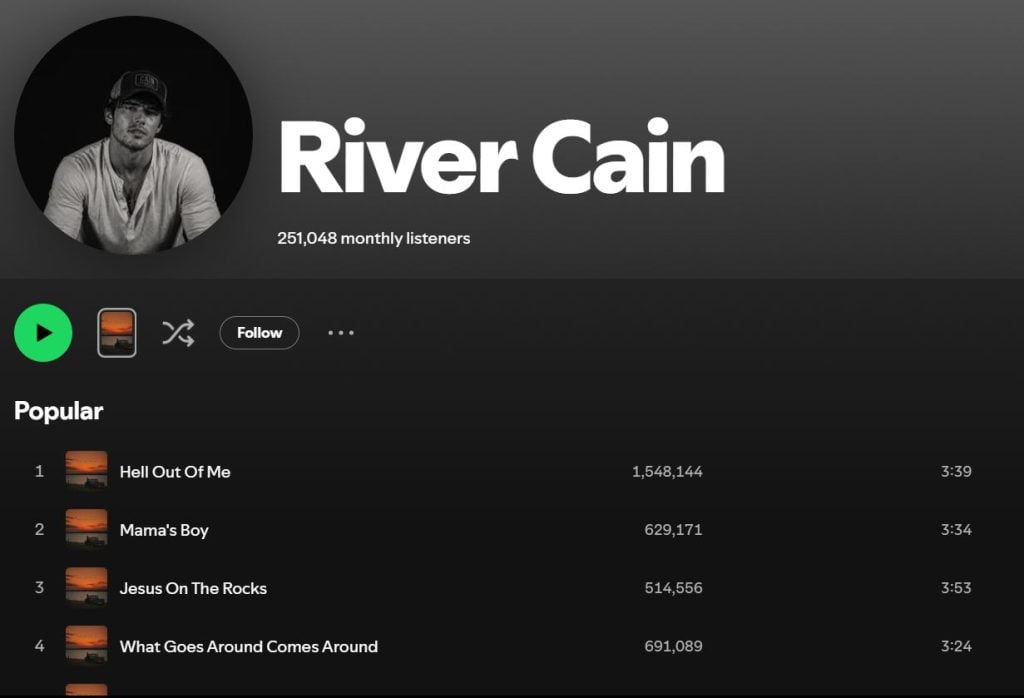
When you understand this is all being used to leverage human emotion to scrape attention, and ultimately, money out of the social media and music streaming system, it really is enraging. And how well is River Cain converting these social media dupes into actual fans? Checking out his Spotify numbers, he’s doing quite well.
Years ago, it would be articles like this that would go viral. Now they get buried in the algorithm for the next River Cain video. In fact, consumers aren’t really even reading anything anymore. They’re simply interacting with videos online that help affirm their beliefs, and keep them uninformed. For those whose eyes are wide open to it all, the case of River Cain feels like the very onset of deeply entrenched dystopia, if not the catalyst for the utter destruction of civilization itself.
Imagine this same approach being replicated in the world of politics and current events on a grand scale. It could be used to significantly influence the public through the catalyst of human emotion.
AI-generated artist River Cain is not the problem specifically. At the time of this post, there might be thousands of these fake AI artists generating this reprehensible type of content on the internet unthrottled, with thousands of more coming online every week, and the ability for the public to tell the difference between them and real performers diminishing with each AI improvement, helping to kill off actual human connections.
And perhaps the most egregious issue with this entire example of AI run amok is how it will make the average consumer even more speculative and distrusting of everything they see. Eventually real artists who actually do get hit in the face with cells phones at concerts will be called fake, or opportunists. Whenever there is an actual controversy in music, this already occurs.
Meanwhile, even though institutions like The Recording Academy and Spotify are moving to mark anything generated by AI so the public is aware (such markings are not included for River Cain currently on Spotify), taking measures to actually curb the kind of predatory practices these AI-generated artists are engaging in isn’t even being talked about really at all.
Maybe the flood of AI content overtaking everything we do has not happened yet. Or maybe we’re just like the frogs in the boiling kettle, not aware that we’re being immersed in a new AI reality because it’s happening more slowly than anticipated, and becoming increasingly difficult to detect. What’s for sure is that it’s a massive impending problem, and one that not enough is being done to curb.
– – – – – – – – – – –
If you found this article valuable, consider leaving Saving Country Music A TIP.
September 27, 2026 @ 7:53 am
Has an actual human ever been named “River Cain”?
September 27, 2026 @ 9:14 am
Tangentially related, the excellent independent tech outlet 404 Media recently covered how easy it is to hijack independent and less known artists Spotify, YouTube, Apple Music, etc. pages for scammers to flood it with AI slop: https://www.404media.co/spotify-ai-music-scam/
This is something I know you have covered here before Trigger, but appreciated the matter getting more traction outside the music journalism sphere.
As for “River Cain”, one critique is that the way this article is written could indicate that “River Cain” is sentient or acting on its own accord. This is just a scammer leveraging a new technology to scam people. I only flag this as one of my annoyances with the whole AI-sphere and coverage is some outlets (coughNewYorkTimescough) when covering AI have treated the bots as being self-aware. There is zero evidence that LLM’s (which is what River Cain, ChatGPT, etc. all are) are such. And I worry that even lightly implying that they are just carries water for the nut jobs, weirdos, and grifters that make up Silicon Valley in 2026.
Listen to some of the folks running these AI labs and any rational person can’t help but come away that many of them are well and truly mentally ill.
That aside, the more AI slop overruns the big social media platforms, it really does stress test how much BS people are willing to swallow to remain on these platforms. Apparently the companies abusing everyone’s privacy and making kids and teens depressed and off themselves wasn’t enough to break people from them. I wish I could say the experience of actually using the platforms being crap due to AI slop would be the dealbreaker, but lots of folks just can’t seem/are unwilling to break way from Zuckerberg, Musks, and Google’s slop factories.
September 27, 2026 @ 9:32 am
The thing is that there is very likely a “handler” behind the River Cain persona, and their name might actually be River Cain, even if that’s tantamount to a stage name. The way the credits of this album are, it seems to imply this. The lyrics, or may be even the vocal track could be live, though the music is all generative AI. So I don’t know if it’s fair to say in this case, this is all driven by automation or bots. Often the full AI personas are extensions of individuals. I know this all might seem like a designation without a difference, but it is different from generating thousands of AI tracks, and then distributing them through the streaming profiles of lesser,-known artists, for example. These are two separate issues.
And thanks for sharing the 404 link. Good information there.
September 27, 2026 @ 9:18 am
The name River Cain alone is a red flag this guy isn’t a real person.
September 27, 2026 @ 9:20 am
It’s a pity that Cain slew Abel, instead of the other way around.
September 27, 2026 @ 9:27 am
Chris Gaines, wherever you are, all is forgiven.