

New Documentary Series “The Called Us Outlaws” Premiers in Austin
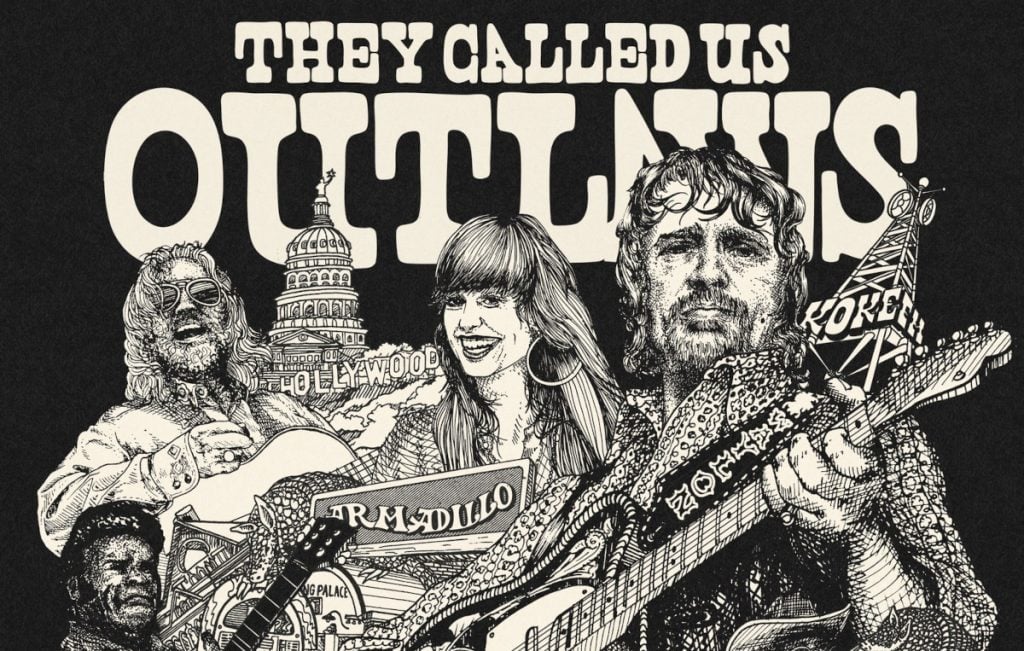
In the country music realm, you’re used to biopic films and documentaries not getting made despite long-running rumors and efforts to bring them about. The seemingly Herculean task to get one of these projects off the ground makes them difficult to impossible to green light unless someone is willing to take the bull by the horns, make exceptional personal sacrifices, and simply refuse to not allow it to not happen.
That is what filmmakers Eric Geadelmann and Kelly Magelky have done for the documentary film series called They Called Us Outlaws – The Cosmic Cowboys, Honky Tonk Heroes and Rise of Redneck Rock. And this isn’t just a 120-minute skimming of the surface. The project has ballooned into a 10 part, 11-hour series. Consider it like the Ken Burns Country Music documentary that ran on PBS back in 2019, but dedicated to the Outlaw country movement.
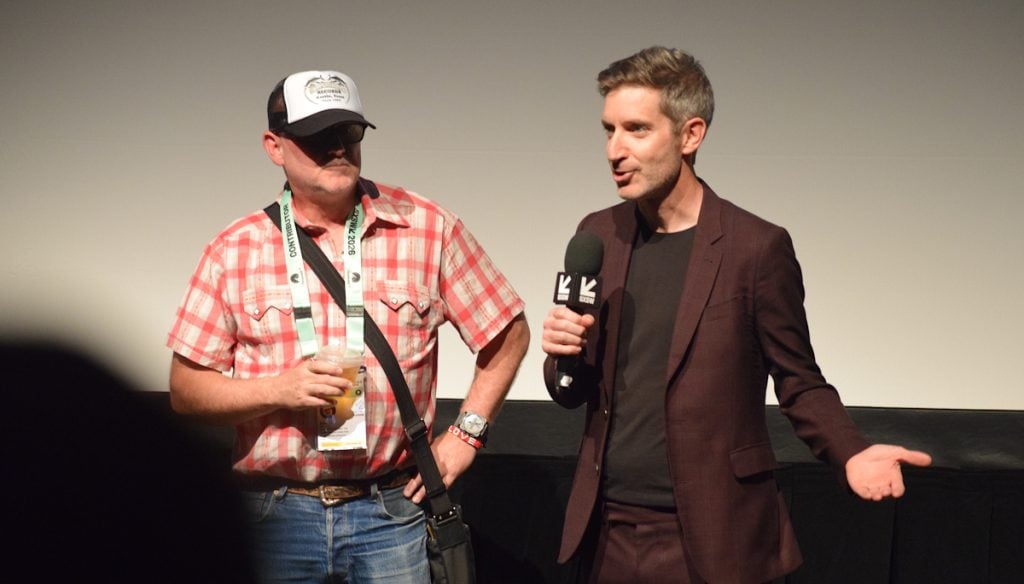
For fans of Willie Nelson, Waylon Jennings, and the entire Outlaw era, this is the motherlode, the Holy Grail of film projects, exhaustively produced over the last decade and counting, looping in tons of archival film footage and photos, interviews with over 130 different artists and personalities, including 17 individuals who have since passed on such as Guy Clark, Charlie Daniels, Billy Joe Shaver, Kris Kristofferson, Tom T. Hall, and Hazel Smith who coined the “Outlaw” term.
On Sunday, March 15th, the film premiered at SXSW in Austin at the Long Center, mere feet from where the legendary Armadillo World Headquarters once stood, which became the proving ground for Outlaw country to springboard into the national consciousness.
Since you can’t really premier a 10-part series in one sitting, the filmmakers compiled a prologue for the film combining parts from various episodes into what they called Waylon, The Dillo, and That Outlaw Bit. It was an excellent, thorough, involved, informing, and entertaining presentation.
Where the full They Called Us Outlaws series starts in Nashville, the prologue starts with the early career of Waylon Jennings, focuses on the rise of the Armadillo World Headquarters, Willie Nelson’s role in helping to combine the audience of “hippies and cowboys,” Waylon making what is characterized as the ultimate Outlaw album in Honky Tonk Heroes with Billy Joe Shaver songs, and eventually, Waylon making his way to The Armadillo, bringing the story full circle.
For a film that premiered in Austin, this prologue was the perfect way to weave the Outlaw narrative into the local history.
“The songs were bigger than me,” Billy Joe Shaver says about Waylon’s album of his songs, while the story of how Waylon gave Shaver $100 to get lost after he showed up in Nashville to work with Waylon, and then Shaver had to threaten to kick Waylon’s ass before he would listen was chronicled.
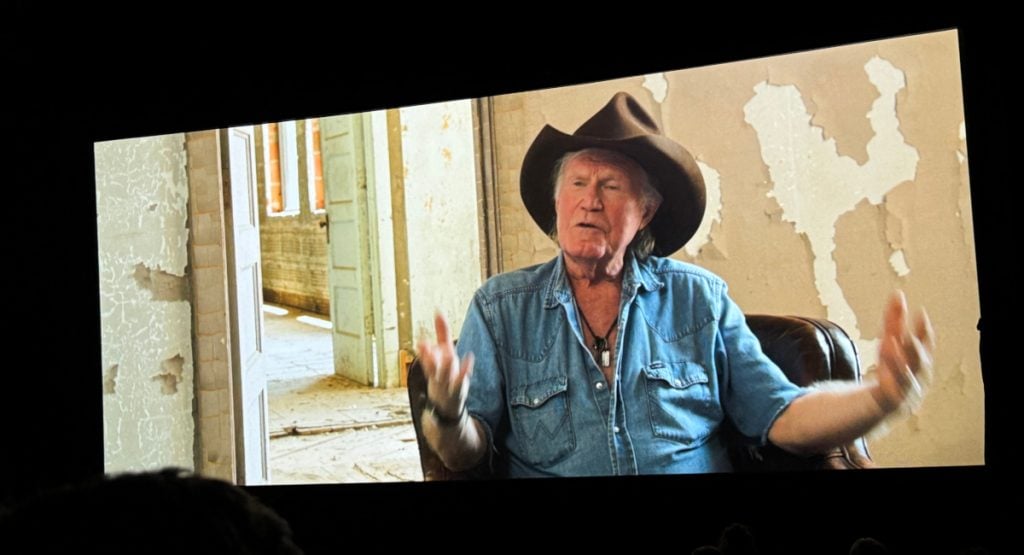
In between the bigger moments of the film were tons of cameos and anecdotal stories about the Outlaw era and especially the Armadillo World Headquarters. It’s explained how it was really the closing of the original Vulcan Gas Company club that led to the old Austin armory being made into The Armadillo. When the club first opened, it was almost exclusively a rock club, and the biggest regular performer was Austin blues legend Freddie King. Austin’s psychedelic scene was also integral to it, namely the 13th Floor Elevators.
It really took Willie Nelson to integrate The Armadillo with country. He played his first show for a cover charge of $2, creating the hippies and cowboys cross-cultural rub. After that, the club became more of a mainstay for country acts. The Flying Burrito Brothers were one of the first national touring acts in country to play there, followed by Gram Parson and Emmylou Harris. Tom T. Hall tells a hilarious story of a women coming up to him and asking if he wanted to have sex upstairs. He responded her forwardness took all the fun out of the pursuit.
Austin’s enterprising “progressive country” radio station KOKE is also featured since it played such a significant role in launching the Austin Outlaw scene. And though the series production was first launched some 10 years ago, it includes more current information and events as well, like the recent release of the Waylon Jennings archival album Songbird, with a profile of Shooter Jennings talking about how the album came about.
One of the distinct aspects of the series is the sheer volume of participants and artists interviewed for it. It is narrated by Texas singer/songwriter Jack Ingram. But except for that, there’s few recurring characters, and it’s more of a very large ensemble cast. Unlike the Ken Burns Country Music documentary where you had someone like Marty Stuart making regular appearances and more long-winded observations, the appearances in They Called Us Outlaws are more measured, and sometimes only last for a few words.
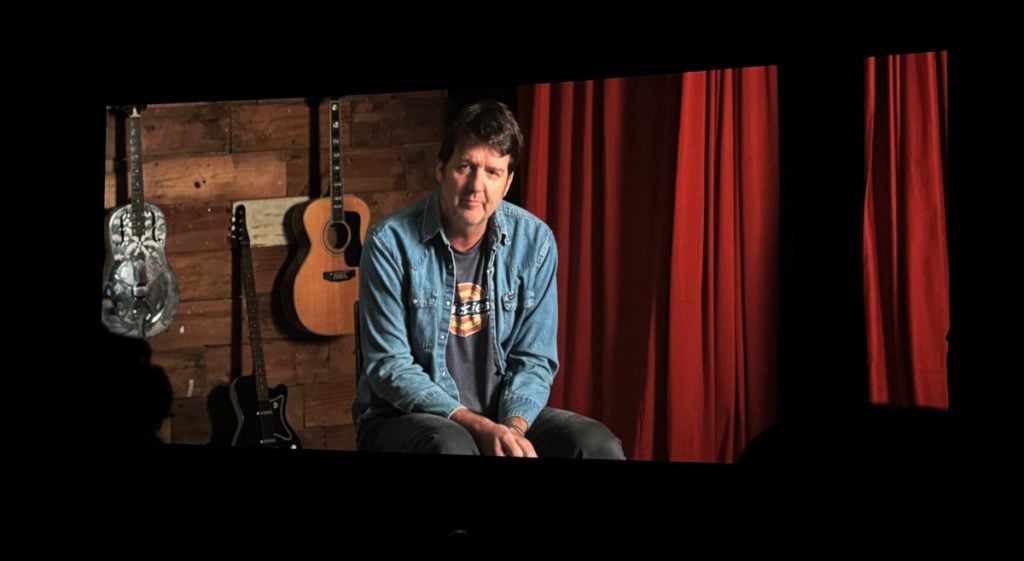
Just in the nearly two-hour prologue, a dizzying amount of appearances occur, and that’s not including the mentions, photos, or videos of other artists from back in the day. This is just interviews. Sometimes this can make moments in the film feel a little frenetic. Those making appearances just in the prologue include but are not limited to:
Guy Clark, Jessi Colter, Kris Kristofferson, Shooter Jennings, Tony Brown, Jerry Bradley, Bruce Robison, Rodney Crowell, Parker McCollum, Margo Price, Charley Crockett, S.G. Goodman, Turnpike Troubadours, Brandi Carlisle, Jack Ingram, Willis Alan Ramsey, Marcia Ball, Billy Gibbons, Leon Russell, Scott Newton (photographer), Ray Wylie Hubbard, Jerry Jeff Walker, Jimmie Dale Gilmore, Eddie Wilson (Armadillo World Headquarters founder), Delbert McClinton, Jeff Hanna, Tom T. Hall, Gary P. Nunn, Charlie Daniels, Michael Martin Murphy, Chris Hillman, Emmylou Harris, Mickey Raphael, Eric Church, Ronnie Dunn, Hazel Smith, Joe Ely, Richie Albright, Amanda Shires, Molly Tuttle, Steve Earle, Billy Joe Shaver, Randy Rogers, Ryan Bingham, Chris Shiflett, Miranda Lambert, Wesley Shultz (The Lumineers), Robert Earl Keen, Lillie Mae, Nathaniel Rateliff, Ashley McBryde, Kix Brooks, Tyler Childers, Kimmie Rhodes.
Filmmaker Eric Geadelmann intentionally wanted to include new, younger artists in the series to not just get their perspective, but also to ingratiate the series to younger audiences. More specifically, he said that his daughter told him that if Tyler Childers and Parker McCullum weren’t in the production, she wouldn’t watch it. Hopefully these younger viewers are then turned onto the older performers who appear in the film that they might not know about.
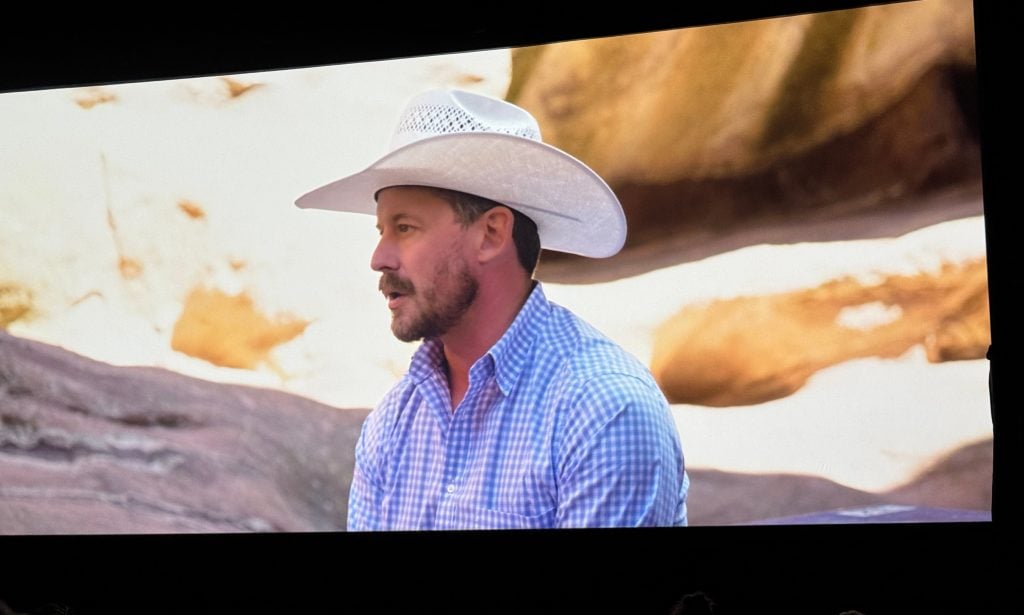
That said, after witnessing Guy Clark and Kris Kristofferson pontificate on the actual meaning of the “Outlaw” term—and legendary producers like Tony Brown and Jerry Bradley talking about the impact of the Outlaw movement—all of a sudden seeing the young Parker McCollum in his designer sunglasses felt almost anachronistic. He did redeem himself by making some salient points.
You do hope that at least one or two of the performers who most definitively embody the Outlaw spirit today like Cody Jinks or Whitey Morgan make the final edit. After all, one of the overarching themes of the prologue episode was the integration of the hippies and the cowboys in Austin. Cody Jinks has an RIAA Certified Platinum single called “Hippies and Cowboys.”
But there’s no reason to look this gift horse that is They Called Us Outlaws in the mouth. Though many present-day personalities might drift in and out of the shot, the ultimate focus is on the original country music Outlaws, their incredible impact and influence, the stories of their conquests, victories, and defeats, the supporting cast and side players, the locations, and predecessors that helped facilitate it all, and why the lessons the Outlaws learned and taught about country music and life should never be forgotten.
This is the upshot, and ultimate takeaway of They Called Us Outlaws: Be yourself, take chances, arrest control of your destiny, and never compromise. This is what The Outlaws did, and this is what the filmmakers did by delving into a difficult to impossible task, and delivering something that was more than expected, will withstand the test of time, and hopefully rise as a premier tribute to one of the most vital eras and influences in country music’s storied history.
After the film, Eric Geadelmann read a letter from one of the film’s Executive Producers, Jessi Colter that ended with, “Truly this film marks time never to be forgotten. Thus, Outlaw lives on.”
….or as Kimmie Rhodes told filmmmaker Eric Geadelmann after the premier, “Congratulations, you didn’t step on your dick.”
– – – – – – – –
They Called Us Outlaws is expected to be distributed via a streaming service near the end of 2026, or early 2027.
– – – – – – – –
If you found this article valuable, consider leaving Saving Country Music A TIP.
March 16, 2026 @ 6:28 pm
Surprised to not see Ray Benson’s name there. Although they were more of a Western Swing band and not neccessarily “Outlaw”, they played so much at Armadillo World Headquarters and were connected to a lot of these artists.
March 16, 2026 @ 6:43 pm
Ray Benson and Asleep At The Wheel were definitely highlighted in the episode. I’m not sure if any of Ray Benson’s interview played in the episode, it might have. But I do know he was interviewed for the doc, and there is still nine hours that I did not see. I was writing down names as quickly as they appeared and might have missed Ray. But Asleep At The Wheel was definitely given their proper due.
March 16, 2026 @ 6:31 pm
I don’t think anyone will ever top the Country documentary that the dude from behind Beavis and Butthead did.
March 16, 2026 @ 7:06 pm
I’m excited about this but this is also a good opportunity to go look up the old BBC series Lost Highway. It’s on YouTube in pieces. There’s a fantastic section about outlaw country and about Texas and the hippie and cowboy thing. They made that documentary about 20 years ago when a lot of the pioneers were still alive so you get loads of interviews with kristofferson, Merle, etc, along with Dwight Yoakam and Emmylou Harris and Steve Earle as well as lots of the movers and shakers behind the scenes of studio and live music. Go look for it while you wait for this new one to stream.
March 16, 2026 @ 7:15 pm
There have been quite a few films on the subject in the past. Heartworn Highways comes to mind. The Ken Burns documentary actually made the Outlaw era the only 2-part episode of the series because of all the info to cover. That’s why it makes sense to me you’d start wanting to make a film, and end up making a series.