

Zach Top: George Strait and Randy Travis Had to “Save Country Music”
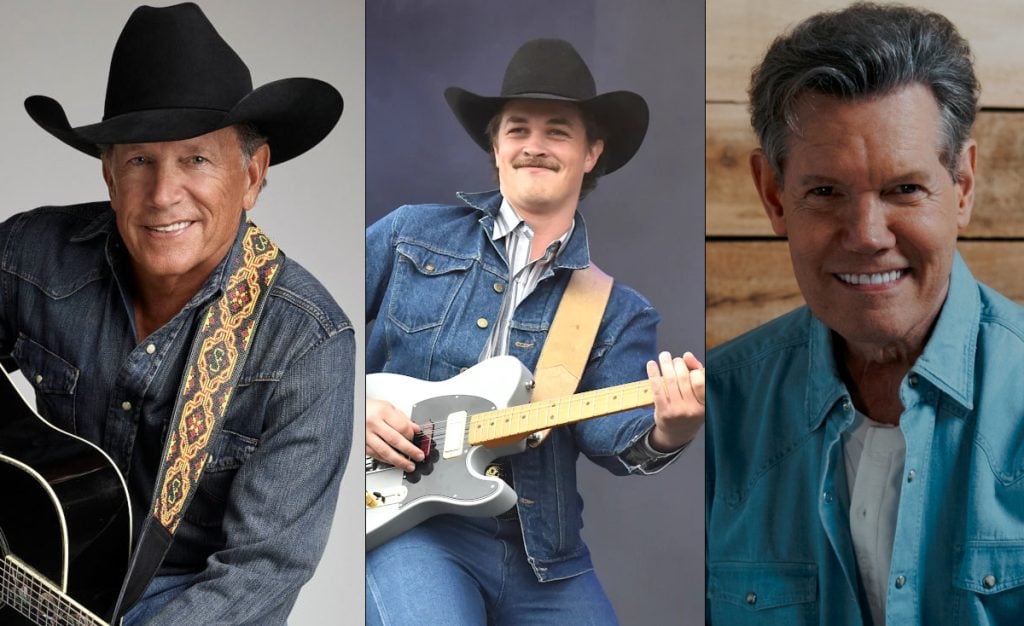
Right now the signal is a little noisy on just where the country genre sits at the moment. Morgan Wallen is still indisputably the most popular artist in country music, even if some question just how “country” he is. Country has been in the crosshairs lately due to political friction stemming from the alternative Super Bowl Halftime show in early February. And Jelly Roll just won the Grammy for Best Contemporary Country Album.
But don’t let any of that distract you from the fact that traditional country music remains in a strong resurgence at the moment. Generally speaking, the country genre is more “country” right now that at any time in the last decade or two, and is more supportive of performers outside the conventional Nashville/Music Row bubble than ever before.
You can point to multiple things to verify this, including Ella Langley’s incredible #1 showing with her career-defining traditional country mega hit “Choosin’ Texas.” Everywhere you look, artists with more twangy sounds and traditional songs are finding traction. And then there is the continued success of neotraditionalist Zach Top.
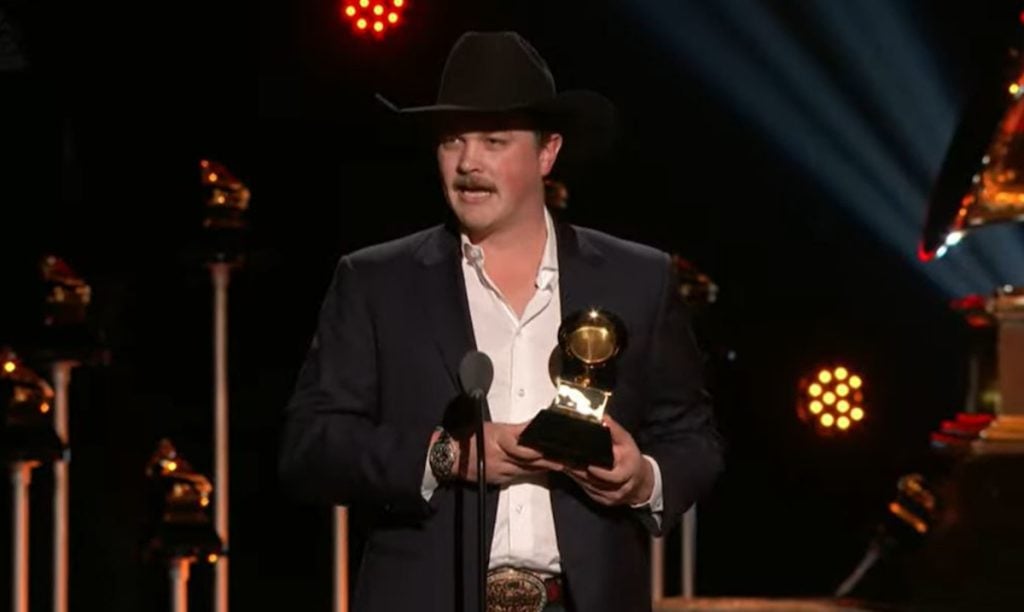
Fresh off his win for Best Traditional Country Album at the 2026 Grammy Awards, Zach Top is preparing to headline the C2C (Country to Country) festival on Friday, March 13th at the O2 Arena in London. Ahead of the performance, he talked to Entertainment Focus, and had some great insight into this moment in country music from his perspective as an artist.
“It is crazy. I haven’t gotten out of the mindset of being the outsider or the underdog, you know, ’cause I still sound so much different than the rest of what’s going on,” Zach Top says. “It feels kind of wild that it’s caught on this well and that I am one of the, I guess, more prominent figures in the genre feels kind of crazy to me. I’m very humbled by it and very thankful, and overjoyed that this many people have caught on and fallen in love with the music as much as they have, when it sticks out like a sore thumb from the rest of what’s on the radio and everything.”
For anyone who’s followed country music for a while, they know the genre works in cycles, with moments where the genre becomes more pop and commercial as it chases trends outside of its conventional borders.
“I feel like fans of country always find something new that comes along that’s a little different, a little wacky, and they go chase that. The industry goes and chases that for a while,” Zach Top rightfully observes. “I think this latest cycle has been a long one, starting back in I think 2010 when ‘Cruise’ came out from Florida Georgia Line. That felt like the big shift toward this hip-hop influence into country. Obviously, Morgan Wallen is at the peak of his powers in that same type of vein as well.”
But now there is an entirely alternative universe where traditional country is thriving too, working in parallel with the folks like Morgan Wallen and Jelly Roll. And Zach Top and other neotraditionalists like Braxton Keith, Jake Worthington, and others aren’t just here to take advantage of it. When it comes to Zach Top, he’s responsible for the trend taking hold in large part.
“It’s a cool place to be,” Zach Top says. “I’m very thankful that I hit the cycle at the right time where it’s swinging back toward the traditional thing, like it’s done so many times before. It’s just another iteration of the cycle but I’m glad I showed up at the right time and that people are hungry for my sound at the moment. It feels like the hunger from fans has turned somewhat toward a return to the roots and traditions of country music.”
But the quote that got Saving Country Music’s attention the most is when Zach Top said, “It’s just so funny to watch it ’cause back when George Strait and Randy Travis came around, they had to save country music after Kenny Rogers ruined it. I feel like these cycles have been going on as long as country music has been around. There’s always been something new and a little different and edgy that goes on for a little bit and then people return to something traditional and familiar feeling.”
It feels a bit harsh to say it was Kenny Rogers who “ruined” country music. Much of Rogers’ music is excellent, and some is quite traditional. But Kenny definitely was one of the crossover stars that made country music more pop for a period, and less country in the early ’80s. Just like Bro-Country opened the door for someone like Zach Top, Kenny Rogers helped open the door for George Strait and Randy Travis.
These observations from Zach Top tell us two things: First, timing is incredibly important. If Zach Top had come along a year or two before, or a year or two after, who knows, maybe his carer would have never taken off. There are so many traditional country artists that you wonder why they never found the same success as Zach. Timing has so much to do with it.
Second, since all these things work in a cycle in country music, you can’t take it for granted when the cycle is working in your favor like it is now. You can’t rest on your laurels just because a few traditional country artists are finding success right now, and expect it to be that way forever.
But perhaps the long-awaited split in the country genre that many people have been clamoring for is finally here. Since it isn’t just radio that rules the roost and the internet has allowed for multiple lanes to success to open up, neotraditonalists like Zach Top can become stars and win Grammy Awards while the Jelly Rolls of the world thrive in the mainstream and do the same. It’s no longer an either/or proposition.
Maybe living side by side is still not appetizing for some traditional country fans. But at least traditionalists and neotraditionalists now have a seat at the table, and equal opportunities to their pop country counterparts. Country music has come a long way since the height of Bro-Country, even if there’s still much to do. And that success is thanks to the talent and appeal of country music’s young traditionalists whose talent and success can’t go unrecognized any more.
– – – – – – – –
If you found this article valuable, consider leaving Saving Country Music A TIP.
February 22, 2026 @ 11:45 am
Big up Pip, James and the EF Country team, working hard in the UK.
February 22, 2026 @ 1:33 pm
Man they seem to get a lot of really good artists touring over there. I haven’t checked in in quite a while but the Rogue Country UK Facebook group does a good job of spotlighting both their local artists and all the Americans who tour over there and it seems like a pretty nice scene from what I can tell
February 22, 2026 @ 12:00 pm
The Kenny rogers thing is interesting. He’s definitely a guy I think thought of mostly fondly now. But I suppose part of the cycle is the guys who seemed offensively pop decades ago now seem way better than the pop country of the current moment. Sort of like how Garth brooks sounds pretty dang country on his huge albums (debut, no fences, ropin the wind) compared to Morgan wallen
February 22, 2026 @ 12:22 pm
Think we have to factor in that Zach Top was at least partially talking about people’s perspective at the time about artists like Kenny Rogers as opposed to his assessment of Kenny Rogers personally.
Studying Kenny’s career, he’s impossible to pigeon hole. He has some incredible singer/songwriter songs, some great traditional country stuff, and then clearly searched for crossover stardom and took advantage of acting opportunities. You can’t really claim it’s one thing or another.
February 22, 2026 @ 2:40 pm
Zach Top is speaking from the perspective of people two generations prior. You have to go back and read what traditional Country musicians and fans thought of the pop’ification of Country in the late 70’s and 80’s to understand the point of the Kenny Rogers comment. There hasn’t been enough traditional Country in the mainstream for me to agree that Zach Top and Ella Langley are leading a neo-neotraditionalist revival vs it being more of a strong novelty at this point. If they hit 10 1#’s each vs 1 1# each then it can be considered a revival.
February 22, 2026 @ 9:33 pm
These days, it takes about a year for a #1 to develop, if not longer, while in the ’80’s, you could have four #1s in one year. That’s the elongated single cycle that everyone in the industry talks about. So to verify this on your terms, it would probably take about 10 years. And in 10 years, the cycle will have probably ebbed and flowed a few more times.
February 23, 2026 @ 5:01 am
Agree with Trigger. By Strait’s rather arbitrary criterion, it wouldn’t be officially a revival until 2036.
And then someone else on an internet comments section will assert that they must reach fifteen Number 1s, and that the clock must reset anyway as Zach Topp has been replaced by another traditional artist who has only had five Number 1s.
February 23, 2026 @ 6:52 am
Trig, what do you mean that it takes a year for a #1 to develop? And how does the process differ from the 80s?
February 23, 2026 @ 7:56 am
For decades, if an artist released a single, it often took only about 15 weeks or so for that single to mature and peak whenever it was going to peak on the charts. Then they would release another single. They might also release 3 or 4 singles from an album, and usually artists released about one album a year.
Now that cycle has dramatically elongated. It’s taking up to 52 weeks or longer for a song to enter the Top 40, slowly make its way to the charts, and peak wherever it’s going to peak, sometimes at #1, with labels and DJs almost acting like air traffic controllers to make sure each song gets to #1 eventually. That is why getting to #1 is taking so long. That is also why artists are taking sometimes 2 1/2 to 3 years in between albums, and sometimes releasing many more tracks on albums, because they’re releasing 3 years of songs at once as opposed to one.
This phenomenon has been well-documented in trade publications in such. It doesn’t really affect us in our little universe here, because we don’t often talk about radio starts.
February 24, 2026 @ 11:56 am
There was a Joe Nichols single a few years ago. I swear it was on the charts over one year.
February 24, 2026 @ 4:40 pm
The cycle was already starting to develop in the 90s. If you look at the total number of top 40 country hits in, say 1980, the total was over 160-180 songs. If you take the same criterion from 1999, it’s down significantly to like 120, or something like that.
February 23, 2026 @ 1:55 pm
I think you are taking my point too literally. Ok sure the cycle of turning songs into 1#’s takes longer but it didn’t take Morgan Wallen 10 years to have 7 of the top 10 songs on Itunes or whatever chart it was that tallied his streaming numbers. My entire point was that Ella and Zach only have 1 1# each. I would love to see half the top Country songs be traditional-sounding but we aren’t anywhere near that yet.
February 23, 2026 @ 2:12 pm
Well yeah, that’s why I said in the article that Morgan Wallen is clearly the most popular artist in country. The assertion of the article is that traditional country can now co-exist in a parallel universe to mainstream country as opposed to one or the other.
February 23, 2026 @ 1:56 pm
Ahahahahahahah, exactly. Longevity is the key!.
February 22, 2026 @ 12:02 pm
Commander Cody ruined country music.
February 22, 2026 @ 12:18 pm
Now that’s just outright blasphemy.
February 22, 2026 @ 2:53 pm
Nobody ruined anything, but the companies tried to cash in on labels (outlaw country, urban cowboy, cosmopolitian etc.) until it all became a soup of nothing.
Early Hank Thompson vs. early Wynn Stewart vs. early Ray Price? Three totally different styles, still we consider it stone cold country. The problem grows with time; early Roy Acuff vs. early Moe Bandy vs. Zack Top? Barely a fiddle in common.
It is what it is. I consider the true Texas/South/Bakersfield country that came along during the 50’s to the 70’s to be the pinnacle of country/western/swing. Whatever came before and after, lacks a certain dimension.
February 23, 2026 @ 3:47 pm
Play “Mama Hated Diesels” or “Daddy’s Drinking Up Our Christmas” and get back to us on that.
February 26, 2026 @ 5:57 am
Shania Twain ruined Country music!
February 22, 2026 @ 1:12 pm
Yes that’s coming down a little harsh on Kenny. I’m not a fan of most or his 1980’s work, but Lucille, Coward Of The County, and The Gambler are all classics. But even most of his crossover hits weren’t offensive to the ears of traditional country music lovers
There’s always been crossover artists in country, I don’t think that’s the problem. The problem is when there in no lane at all for traditional country artists.
February 22, 2026 @ 2:59 pm
Kenny’s voice could handle it. Even with the sappiest arrangements, he got the adult voice to break through the syrupsy fog.
The snobs never recognized his vocal chops. And in defence of ol’ Kenny; not once did I ever read or hear that he called himself a country artist. But he often said the contrary; that he did not consider himself a country singer, just a singer.
That’s a fair stand.
February 23, 2026 @ 12:49 pm
Even Islands in the Stream???
February 22, 2026 @ 1:36 pm
It will be interesting to see if, given the greater democratization of music thanks to the internet lowering entry barriers and making it easier for fans to seek out alternatives to the mainstream, the current swing back to traditional country will be longer lasting than previous cycles. And if, at the end of this current cycle’s peak, traditional country will continue to exist more concurrently and competitively with the mainstream, rather than recede out onto the fringes for a decade.
Also, I wonder if, this time around, traditional country’s staying power might be aided by consumers–consciously or subconsciously–seeking out what feels real as a respite from the onslaught of AI music and technology in general.
February 22, 2026 @ 1:40 pm
The problem wasn’t just Kenny rogers, it was all the goddamn horrible production at the time. There was quite a bit of weird experimentation in the 1970s including from people that we now think of as the outlaw hard country folks, but somewhere in the late ’70s it all just fossilized in a horrific sound coming out of nashville.
Also, I know that the “XYZ saved country music” thing is just to throw away line, but let’s not forget that a ton of people were working in the shadows throughout that horrible era and they also gave us hard country, neo traditional, the survival of honky tonk, etc.
There was a ton of hard country that kept going in California of all places. Dwight yoakam does a pretty good stage rant about it that I really hope to see and print someday. Emmylou Harris and the hot band did a lot to preserve hard country while also developing the concept of Americana and rolling a lttle rock in (this is more or less from Dwight’s greater Bakersfield speeches). Dwight and Pete Anderson developed Dwight’s sound in the middle of a bunch of rockabilly revival in LA in the late 70s and early 80s, when there was no room for Dwight in nashville. There were a bunch of people whose names are just about lost to time
I’m not 100% clear on how exactly the Ray Price sounding Honky Tonk Texas dancehall thing survived, but I suspect that that was not a revival and that it kept going through that horrible Nashville era. Right? Would love to be corrected if I’m wrong about that lineage.
And then there’s all the stuff that happened with red dirt which experimented with all the sounds but definitely kept and develop the songwriting traditions of country going, plus whatever came out of the Commander Cody type California bands. etc.
Randy Travis and George strait are obviously very important but they are just the most Nashville famous beginning of neo traditional and they also came from a thriving non-mainsrream live music scene that kept actual country going through the horrid late 70s early 80s sound
February 22, 2026 @ 10:14 pm
This goes beyond country music too, a lot of big stars in the 60s and early 70s hit rough patches in the late 70s and early 80s because they didnt know how to best use a lot of studio production changes. The former Beatles, Dylan, the Stones, Joni Mitchell, Neil Young, even Willie Nelson to an extent struggled to find their footing in an overly synthesized world. That style worked for Punk and Britpop, but it took a lot of names a while to figure how to make the new production styles work for them (thats where Jeff Lynne and Daniel Lanois came in to help them). Either way listening to those tracks now they sound really cringe. I have to imagine this was happening in country music at the time too
February 22, 2026 @ 2:44 pm
I remember reading a comment Buck Owens had said regarding country of the mid to late 70s. Something along the lines of doing a song and dumping a gallon of maple syrup on top of it. The lush sting arrangements and all. Still, some good music did come out of that period. About the only song from that era I truly don’t enjoy is Bonnie Tyler’s “It’s a Hearthache”. Of course the 70s and early 80s were a time when you had non country artists actually chart country. Eric Clapton, Comedian George Burns, Englebert Humperdinck, and Bob Seger all had top 40 country songs. Even Tom Jones had a #1 in 1976 with “Say You’ll Stay Until Tomorrow”, and would have a brief country career in the early 80s.
Also, disco’s influence was big on country then as well. Especially with Dolly on “Baby I’m Burning” Bill Anderson also caught disco fever with “Remembering the Good”. As far as Kenny Rogers, he started out with the New Edition. “Lucille” and “the Gambler” were great country songs, but he also did “Lady” and “Crazy”, which are more Soft Rock/R&B orientated. All in all, the music had always shifted and swayed, but always realigned itself.
February 22, 2026 @ 6:16 pm
Back then, you could always put on some Mel Street if you wanted to.
February 22, 2026 @ 7:07 pm
Really good
February 24, 2026 @ 7:03 pm
I remember being a wanna-be-hipppie kid in California in the 60s and seeing Kenny Rogers and the First Edition on TV doing their very improbable hit, Just Dropped In. In those days it was easily recognizable to people under 30 as a song about LSD, and in those Oakie From Muskogee days about as far from country as you could get (not that I knew anything about country at the time). Then recently I finally got around to listening to Mickey Newbury’s albums after being in love for years with San Francisco Mable Joy. Lo and behold, guess who wrote Just Dropped In. That one surprised me.
February 22, 2026 @ 3:29 pm
i won’t hold the Kenny Rogers comment against Zach Top, but i will also disagree that Kenny ruined country. i would also disagree that George and Randy saved country music. there were plenty of traditional country sounds in the early 80s…George Jones was still cranking out stuff, Merle wasn’t off the charts, Ricky Skaggs couldn’t have been hotter… i’ve heard Garth say that same thing about Randy and Keith Whitley – i don’t think anybody has had to save country music at any time. everything is cyclical and country music is just like the weather in Texas: if you don’t like it, just wait 5 minutes. or drive an hour or two and find a new climate. there’s always plenty of traditional if you know where to find it. of course it’s not always the most popular thing at the time, but just because it’s not popular doesn’t mean it’s dead.
February 22, 2026 @ 3:41 pm
I never considered Kenny Rogers country music. He was a carpetbagger whose time was up in rock/ pop and was rehomed in country music. The same goes for Conway Twitty, Eddie Rabbit, Barbra Mandrell and (although I like some of his earlier recordings) Ronnie Milsap.
I totally understand and backup Top’s comments and wish he would have included more Rhinestone Cowboys in his list that country music needed saved from in the 80’s.
February 22, 2026 @ 11:46 pm
Pretty sure Barbara mendrell grew up in country music. Her family was in the musical instrument business and she played pedal steel from a super young age if I’m remembering right.
February 23, 2026 @ 1:01 am
Hold on, we’re saying Conway Twitty wasn’t country? Just because Slow Hand and It’s Only Make Believe exist doesn’t mean we should completely overlook the fact that Conway did more traditional country music than most artists ever did. I’m also fully convinced that Eddie Rabbitt preferred to make more traditional country music, evidenced by his 70s records and early 90s records. His heart feels more in that place to me.
February 23, 2026 @ 8:04 am
Yeah if Conway Twitty isnt country than I have no clue is.
February 23, 2026 @ 8:09 am
Saying Conway Twitty “wasnt country” because he started in Rockabilly, which is at worse a step-brother of country, at time when country music had very little imprint, is mind boggling to me…
February 22, 2026 @ 4:26 pm
To hell with tradition…turn up some Turnpike.
February 22, 2026 @ 4:43 pm
This time it’s different. I think both “sub-genres” will co-exist. Right now the traditionalists are playing catch-up, and rightfully so. They can co-exist no problem. Hopefully more fans will at least be introduced to the neo-traditionalists.
And I do not fully dismiss Zach’s comment about Kenny. Yes, he does have some solid “country” songs. However, his pop-country songs more define him.
Gonna be interesting to see where this goes.
February 22, 2026 @ 6:08 pm
A few years ago, a more traditional format station had the tagline— “Before Kenny and Dolly, there was Kenny and Dottie.” They had some nice duets together.
February 22, 2026 @ 6:36 pm
Islands in The Stream is one of my wife’s favorite country songs. Personally I could go without ever hearing it again
February 23, 2026 @ 1:36 am
Ugh! You brought up a bad memory! I was in a band with a girl singer in those days and we had to learn and perform “Islands.” I felt like puking in my mouth ever time we played it!
February 22, 2026 @ 6:35 pm
I dream about a world where I can hear Zach top, liquid mike, jeff rosenstock, Janelle monae, and Daniel lopatin in the same set on radio or streaming. One big block of cosmic American music that gives me 80s Mercedes, rolling thunder Dylan, mos def, Zach Bryan, turnpike, Afghan whigs, etc all together where they belong.
February 22, 2026 @ 6:47 pm
Randy Dim Wit Travis is over rated!
February 23, 2026 @ 7:15 am
As Steve Earle said; he did every vocal trick Haggard ever used in every song.
By Travis’ second album, he had moved beyond the hard country ballads of “Storms of Life” and embraced the silly novelities and pop country.
His voice were good, but I didn’t believe him.
February 24, 2026 @ 7:06 pm
Maybe, but Storms of Life is a great album.
February 25, 2026 @ 3:39 am
“Reasons to Cheat” is one of the great country songs, up there with the very best of them.
If it’s true that an early-20 yo Travis wrote that alone, it’s a great shame that he didn’t stick to writing.
His debut is a good album, most of the songs sounds mature and his voice goes strong through them all.
But, as it often is, by album no. 2 it becomes a more polished affair. Most of the artists goes through this, from Bandy and Rodriguez to Strait and Yoakam.
February 22, 2026 @ 7:03 pm
George strait and randy Travis need to come back I don’t like Zach top I thought he was okay we need some eina munskick
February 25, 2026 @ 3:43 am
Top sounds exactly like the polished country-pop that hit the airwaves in the early 90’s.
Even Clint Black and Alan Jackson rode that train by their third albums. More youth-orientated, less mature, more party, less soul.
February 22, 2026 @ 7:53 pm
Well i hate to break it to zach but hank jr, statler brothers, nitty gritty dirt band were doing great country music back then quite a few others as well. Kenny had his pop stuff but he had some great country stuff as well.
February 24, 2026 @ 1:27 pm
Pre-Montana accident Hank Jr was country.
Everything after was just Southern Rock
February 25, 2026 @ 3:44 am
Chisled in stone, that.
February 22, 2026 @ 8:40 pm
I feel like country music as a whole is on rather solid footing right now in terms of who’s representing it both in the mainstream and an empowered grassroots level.
It’s more in terms of infrastructure (music venues being bought up by major conglomerates, the increasing challenges to touring, the detrimental effects of ideological polarization on the communal listening and appreciating experience, A.I.’s potential longer-term affects on artists, etc.) where this community remains much more vulnerable. Much like was detailed in the recent Acme Feed & Seed and Ernest Tubb Record Shop sagas, for example.
But yeah: the silver lining in these serious issues is I feel it only further amplifies the demand for the grassroots: including Top’s music.
As for Top bringing up Kenny Rogers: while he definitely could have worded it much better, I didn’t interpret his remark as a diss towards him or that he intended to disrespect him. I think he just ineloquently pointed out that that was indeed how much of the country music community viewed Rogers at that moment in time and for a while there he DID represent pop’s excesses in the context of the genre.
February 22, 2026 @ 9:38 pm
” I think he just ineloquently pointed out that that was indeed how much of the country music community viewed Rogers at that moment in time and for a while there he DID represent pop’s excesses in the context of the genre.”
Exactly. Zach Top is not asserting some novel theory. People have been saying for decades that George Strait and Randy Travis came in after the ’80s “credibility crisis” and righted the ship. The reason Zach Top is citing them specifically is because they were clearly neotraditionalists, and he’s clearly a neotraditionalist. Of course there were other players in the traditional country resurgence heading into the ’90s, just as there were other villains beyond Kenny Rogers.
February 23, 2026 @ 12:32 am
One thing I’ve learned is not to take a possibly spontaneous line that an entertainer or athlete, etc. utters and nd pin it on them like it’s a full statement of their opinon that they must be held to answer for. Bob Dylan once was quoted making an insulting remark about Haggard; Merle made all sorts of contradictory remarks from one day to the next. Steve Earle once said that walk on Dylan’s coffee table in his cowboy boods to tell him that Townes Van Zandt was the best, etc. [Earle has since said that he’s a Dylan fan and did not mean to denigrate him.]
I’m not going to take a single, throwaway line from Zach Top and based solely on that, deem him a Kenny Rogers hater.
Rogers was a great country singer, when he sang country, (“Ruby,” “The Gambler,” “Lucille,” et al) but he tried different styles and was successful at it. His performance of “Lady”–orchestrated by Lionel Ritchie, was an absolute tour de force.
Here’s Kenny, many years later, telling the story of how it came to be, and performing it in an almost literal lovefest with Ritchie.
https://www.youtube.com/watch?v=vc8IN-FnRic
February 22, 2026 @ 8:52 pm
Zach’s statement is said out of ignorance. It does include, however, a phrase about saving country music. Wonder where I have heard that before. 🙂
Anyway, I’m in my 60’s and have grown weary of people complaining about how country isn’t country anymore. It’s been that way since before I was born. In the 60’s they’d complain that music was too pop, compared to the way it sounded in the 50’s. Specifically they whined about how Ray Price, Eddy Arnold, and Jim Reeves were too pop. Then the 70’s rolled round and they longed for the traditional sounds of Reeves, Arnold, and Price.
I recall in the 90’s hearing someone wishing that Conway was still around, because he was traditional-sounding, but they seemed to have forgotten that many in Conway’s heyday complained that his hits were covers of songs by the Pointer Sisters, Bee Gees, and Bette Midler. Also, Waylon is brought up as a traditional artist, but back then, he was covering Steely Dan, and that “MacArthur Park” song, for crying out loud.
As for Ronnie Milsap, the “too pop” complaints were out there for a while, and here he is celebrating 50 years as a Grand Ol Opry member, this very week.
My point: the people who complain about how country music isn’t country anymore are getting tiresome, and coming across as “get off my lawn” status.
At this point in my life, the only question I have when I hear a song is: is it good? The answer for much of Kenny Rogers’ music (or the music of Milsap, Waylon, Price, etc) is yes. There are individual tunes that are subpar, but there’s some great stuff in there. If Zach fails to notice it, it’s his loss. He needs to find a way to praise Travis and Strait without slamming other great artists who were just as talented.
February 23, 2026 @ 6:57 am
This is exactly right. There has always been pop fringes in country or stuff that people asserted as something different as a way to deligitimize. I think its when it gets out of balace like it did for a while, thats where it comes in. Also radio has some fault with not keeping a variety, instead of gojng with whats hot.
February 23, 2026 @ 1:10 pm
Radio is dying. It’s streaming for the masses now, where it’s unlikely that you will encounter something you’re not actively seeking.
If you play a lot of Zach Top, you won’t be fed Webb Pierce or Gary Stewart. Maybe – just maybe – the software will burrow Alan Jackson’s Chattahoochie deep within the stream list, but there is no chance you will hear his Dog River Blues or Clint Black’s A Better Man.
That’s the downside with streaming.
February 24, 2026 @ 9:46 am
“Dog River Blues” is one of Alan’s best.
February 24, 2026 @ 12:14 pm
Yes, he wrote some real keepers back then.
The best song he ever wrote, appeared many years later, “Little Man”, from the rather mediocre High Mileage album. Lyrically, it belongs in the same landscape as Steve Earle’s Guitar Town album (still ol’ Steve’s best, in my opinion). Alan shoved some fangs in that song.
That span of exceptional quality, from Dwight in ’84 to Dale Watson, David Ball and Wylie Gustafson some 10 years later, won’t ever happen again. A flood of great talent, especially for us traditionalists.
February 23, 2026 @ 1:20 am
I was around during the Kenny Rogers/George Strait era, and even before. I wouldn’t say Kenny “ruined” country music by himself. He had plenty of help. Anybody remember “Sylvia?” Radio program directors and record producers fell all over themselves fleeing from the “hillbilly” image. It got pretty sickening until the arrival of Randy, Dwight, Reba, and George provided some relief. With the exception of Emmylou, all the young female singers went “Sylvia” on us. Guys like Gary Morris were considered “country!”
These days, things have gotten so freakish that I’d welcome the likes of Sylvia, Kenny, Gary and even k.d. Lang back again!
February 23, 2026 @ 9:44 am
I liked sylvias music at the time. Sure she didnt have that country type voice but the sound of her music def wasnt pop. She didnt sing about traditional country tropes but thats ok. I dont remember her starting a trend but maybe she did. Dollys stuff back then wasnt too country either.
February 23, 2026 @ 1:03 pm
Hell, even Billy Ray Cyrus would be stone cold country by today’s standard.
At least he got a really good voice. And a couple of good country-country songs on his debut album.
February 23, 2026 @ 5:39 pm
All gave some…yeah.
February 24, 2026 @ 1:11 am
I got a soft spot for “Where’m I Gonna Live”, it deserved better.
February 24, 2026 @ 9:45 am
I always liked “Could’ve Been Me.”
“But those dreams move on if you wait too long” is a killer line.
February 23, 2026 @ 2:31 am
I do not disagree with Top’s comment about Rogers but agree it is a bit harsh. I like Kenny Rogers and I like Glen Campbell. However, I did not really see either as country. Both were for me very much more towards pop. I am looking forward to seeing Zach Top at C2C. Cody Johnson was very good last year and he is touring the UK again this year. Country music in the UK seems to have got much bigger in recent years and we have been fortunate to get many tours. For example, Luke Combs sold out Wembley 3 times! I failed to get a ticket for his London shows. Tyler Childers played the London 02 and there were very few empty seats. Getting tickets for UK shows has become much more of a challenge and a lot more expensive!
February 23, 2026 @ 4:37 am
And no one has mentioned Alabama yet…
February 24, 2026 @ 12:41 pm
What a relief!
February 23, 2026 @ 4:58 am
I’m okay with Rogers’ music now, but back then he did try to steer country in a more pop direction. You have to remember that Kenny Rogers didn’t start out as a country artist—at all. Everybody wants to cite Lucille and The Gambler, but what about all the Lionel Richie songs Kenny recorded? Another guy who definitely wasn’t country. And don’t forget that Barry Gibb wrote Islands in the Stream.
February 23, 2026 @ 9:31 am
“Islands in the Stream” was written by all three Brothers Gibb.
February 23, 2026 @ 5:50 am
The best traditional country album last year was by Kelsey Waldon, imo. She is a better writer than any of the men right now, except maybe Tyler Childers, who isn’t traditional country but more folk, bluegrass, country.
February 23, 2026 @ 6:46 am
I actually think time has been kind to that era right before Randy Travis. Looking back now, the Urban Cowboy era had a lot of great songs. While the instrumentation might not have always been a traditional sound, guys like Mickey Gilley, Earl Thomas Conley and others had a lot of great songs. Time will not be as kind to the bro country era I do not believe.
February 23, 2026 @ 1:13 pm
One day bro country will be heard the way we hear Ernest Tubb and Kitty Wells.
Trust me. It’s bound to happen.
Luckily, I won’t be around then.
February 23, 2026 @ 6:57 am
Zach’s humility is good to see. He could take a lot of credit but attributes a lot of his success to cycles and luck.
One interesting thing is that I don’t think country music (or music in general) is a zero sum game any more. To use the examples in this piece, Kenny Rogers and Strait/Travis competed for basically one all-important place in radio and charts.
Today, there are so many ways for people to find and listen to music that it’s not out of the question for Top and Wallen to grow at the same time, and likely with some of the same audience.
February 23, 2026 @ 7:05 am
This is spitballing but I wonder if today’s rise of traditional country music might get mirrored in rock. Maybe there are some traditional rock bands doing well right now, but they seem less inspiring or maybe more derivative than the traditional country acts.
The lack of lyrical depth in today’s rock probably plays a factor too. As of now, the healthy segments of rock seem to be on the margins like metal, prog and hardcore, where the only interesting stuff (to me) is happening.
There’s nothing remotely as interesting/semitraditional as the Dire Straits or Peter Gabriel in today’s straight rock, in other words. Rock can learn from today’s country traditionalists, I think.
February 23, 2026 @ 7:56 am
As Steve Earle said; he did every vocal trick Haggard ever used in every song.
By Travis’ second album, he had moved beyond the hard country ballads of “Storms of Life” and embraced the silly novelities and pop country.
His voice were good, but I didn’t believe him.
February 23, 2026 @ 10:03 am
You should listen to Lefty Frizzell, and you’ll discover where Merle Haggard got some of his tricks from.
Your assessment of Travis’ recordings just isn’t accurate. With some exceptions, he generally did not roll with the dominant sound of the 90s.
February 23, 2026 @ 12:54 pm
Hag was a clone of Lefty in the beginning, Lefty’s mom even thought it was Lefty.
But Haggard also borrowed a lot from Jones, Owens, Floyd Tillman, Ernest Tubb, Wynn Stewart, Tommy Duncan, Marty Robbins, Hank Snow, Kenny Serratt and even some of Johnny Cash and Brook Benton. By 1968, all those styles – and probably other styles – blended into the Haggardesque vocal sound most of us knows quite well.
Every singer steals and borrows, it’s called influence. But the point is; Haggard didn’t use all those tricks he borrowed and invented in each and every song, unlike Travis.
Poor Travis was groomed into his career, obviously too dimwit to understand the long term consequences of the contract (among other things) he had with his groomer. No wonder it ended the way it did, in mayhem and catastrophe.
That too is quite common in the business. (See; George Jones, Elvis Presley, early Dolly Parton, Tina Turner etc.)
February 23, 2026 @ 1:25 pm
I don’t know why you hate Randy Travis, but I can say that his sound changed over the course of his career. I’ve listened to all of his albums. Haggard’s sound changed over the years as well.
February 23, 2026 @ 1:59 pm
I don’t hate anyone, I just find him hugely overrated compared to his contemporaries.
He grinds at my ears easily, just like George Jones, Vern Gosdin and Willie Nelson. Ten songs in, and I’m overdue for someone or something else. When they are good, they are great, but they compete with themselves and therefore most of their output is bland, at best.
February 23, 2026 @ 4:11 pm
Yeah, I suppose everyone in popular American music was “influenced, borrowed, or stolen” their styles from those who came before. 1940’s big bands? 1920’s New Orleans black “cat house” music. 1950’s Rock’n Roll? Black 1940’s “rhythm ‘n blues” and “jump blues.” British Invasion? John Mayall/Stones? Mississippi Blues, etc.
Who did Nat King Cole imitate? In the history of American folk/pop/country/rock music, I guess we all borrowed from each other!
February 23, 2026 @ 10:55 pm
Yes, that’s how music evolved, from sticks and stones to computer software.
Nat Cole always brought up the church choirs to explain his singing style (his baptist preaching father, in particular, insisted on strict, clear enunciation of lyrics) , and he tried to transform the piano style of Earl Hines, the picking of Django Reinhardt and the cornet sound of Satchmo into a flowing vocal. And it turned out real good for a guy who never considered himself as anything but a piano player.
Nothing is truly original by design, that’s the point of evolution, I guess.
I’m not so sure where we are right now, musically speaking, can we expect a surge of something to really stand out, like Rodgers or Sinatra or Presley or the Beatles? I don’t think it’s possible, now that the mass media are dying and everyone is the slave of a computer software.
One singer isn’t able to unite a generation if few of them knows who the singer is.
February 23, 2026 @ 8:22 am
Trig, you’ve often said that all you’re advocating for is that consumers have choices and get exposure to artists like Zach Top when it comes to the radio. And your rightfully predicted that when they do get the exposure to music that has more substance, consumers will often prefer that.
Given the rise of Spotify (which has to be the most dominant form for listening now), consumers finally have exposure and the option to listen to these artists. Country radio and the CMA recipients may indeed swing back towards something worse than what we have now. But artists like Zach Top are here to stay.
The second biggest act in country music right now is Zach Bryan. Zach Bryan is no longer a new artist or a fad, yet radio has decided that they don’t want to play him. That’s fine, but people will continue to listen to him. I guess my point is that popular country music has expanded well beyond country radio and Nashville labels. If the radio swings back to bro-country or Sam Hunt sounds, many country fans won’t notice anymore.
February 23, 2026 @ 8:33 am
I agree Tom C.
February 23, 2026 @ 2:11 pm
Id argue there are a lot of metrics in which Zach Bryan is more popular than Morgan Wallen, ut thats obvi not the point of trigs article
February 23, 2026 @ 9:27 am
If you want ‘Country’ How about Alan Jackson…..now that’s Country.
February 23, 2026 @ 9:49 am
Cool, finally Zach Top said something controversial.
February 23, 2026 @ 10:52 am
RD once mentioned a decade ago that in 20 years time people will become nostalgic for the good old days of country music like Jason Aldean and Luke Bryan. Now, at the time, we thought it would continue to crater into a deeper abyss. Things have appeared to recover since those dark days, but I know their hits will be considered classic country.
It is the Overton Window. I listen to the local classic country station on my commute and Sylvia, Shania Twain, Faith Hill fall under their definition. They weren’t country and sound awkward as a geek at prom following a Merle or Loretta tune. But enough time has passed by that people label them “classic country.”
February 23, 2026 @ 12:59 pm
Try KWPX Cowpoke Radio, out of the San Joaquin Valley.
Focus on the country artists from the 40’s to the 60’s, and nothing by those who started out later than 1969.
A pretty cool nichè station.
February 23, 2026 @ 2:12 pm
But do they consider Conway Twitty country?
February 24, 2026 @ 12:13 am
Sure, he’s on a steady roll, but expect “I’m Not Through Loving You Yet” over “Slow Hand”.
Not to mention all those 60’s recordings (Funny But I’m Not Laughing, Heartache Just Walked In etc.) when Conway did the hard country as well as anyone, both as a singer and a writer.
February 24, 2026 @ 11:41 am
since we’re talking Zach Top…i’ve just seen him a couple of days ago in Zurich, Switzerland for the first time and everything they say is true! The guy is a killer picker, got a caramel voice and the band was on fire!!
They even had a little bluegrass moment that was better than many BG bands!
His 90’s persona takes a little “sospension of belief” and to see young swiss folks in cowboy hats and shirts chewing Copenhagen like the reddest of necks was sure a bit too much and the lyrics compartment is a bit light but in the end the music is just sooo good.
February 24, 2026 @ 4:33 pm
And don’t forget the damage that Sugarland single-handedly did around that time also with their horrible song, “Stuck Like Glue.” If Shania was the beginning of the end, that song was the end of the end.
Glad to see it’s beginning again though.